
AI Trip Planner: Google’s Optimized LLM for Travel
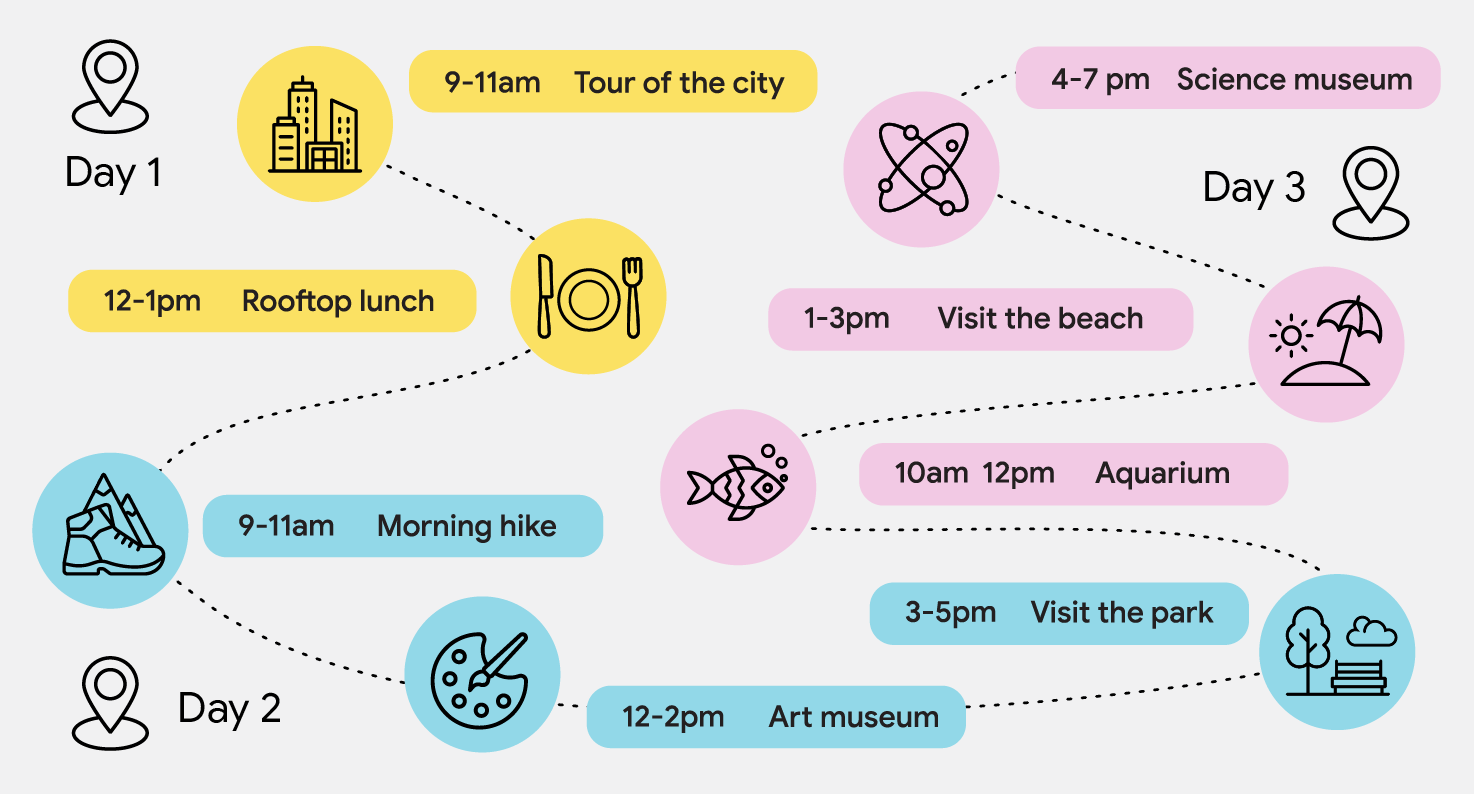
Google’s research explores optimizing large language models (LLMs) for automated trip planning. The core challenge addressed is enhancing the efficiency and effectiveness of LLMs in generating comprehensive and personalized itineraries. This involves tackling issues such as computational cost, response time, and the accuracy of the plans produced. The research focuses on improving the algorithms and theoretical underpinnings of these LLMs to address these limitations. Benefits of optimized LLM-based trip planning include increased personalization, reduced planning time for users, and the potential for more creative and unique travel suggestions. The process involves careful consideration of user preferences, budget constraints, and travel time. Risks involve potential biases in the data used to train the LLMs, leading to skewed or unfair recommendations. The accuracy of information provided by the LLM is also crucial; faulty or outdated information could lead to significant disruptions for travelers. Different aspects of the optimization process include improving the prompt engineering techniques used to elicit desired responses from the LLM and enhancing the LLM’s ability to understand and reason about complex travel scenarios. The research does not provide specific examples of optimized trip plans, but focuses on the underlying algorithms and theoretical framework for improving the technology. Overall, the goal is to create an LLM-based trip planning system that is faster, more accurate, and more user-friendly than existing methods. This research represents a key step towards seamless and personalized travel experiences powered by AI.
(Source: https://research.google/blog/optimizing-llm-based-trip-planning/)