Google’s Differential Privacy: Protecting Trust Graphs
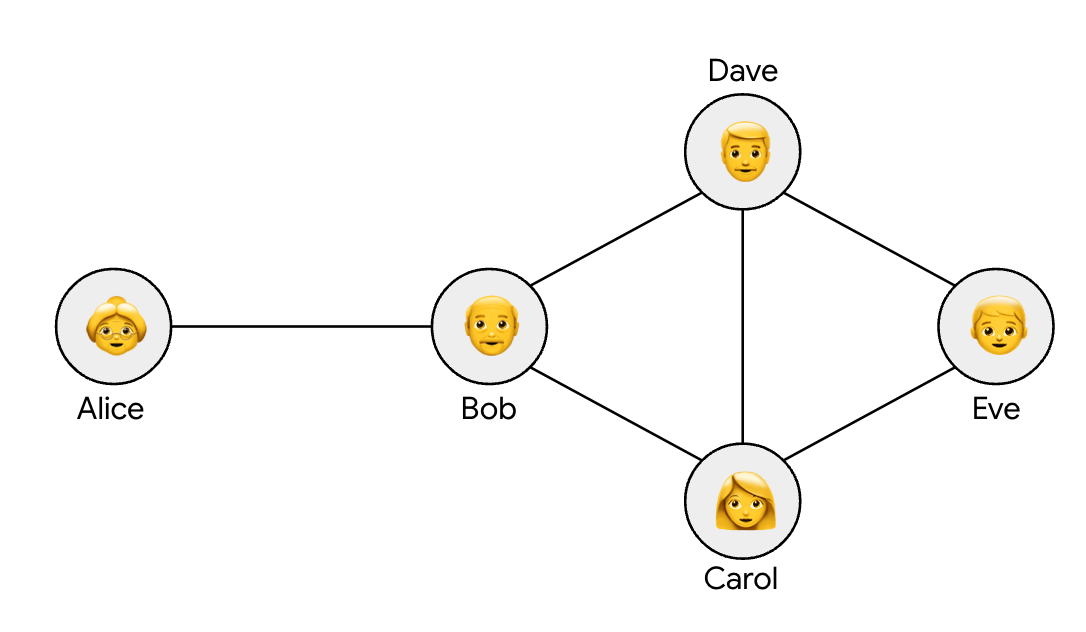
Google’s research delves into applying differential privacy (DP) to trust graphs, enhancing privacy in social network analysis. DP adds carefully calibrated noise to datasets, preventing the identification of individuals while preserving aggregate insights. In the context of trust graphs, where nodes represent individuals and edges denote trust relationships, DP protects the sensitive nature of these connections. The core benefit lies in enabling the analysis of aggregate trust patterns without compromising the privacy of individual users. This is crucial for various applications, including social network analysis, recommendation systems, and fraud detection, where understanding trust dynamics is critical. However, adding noise introduces a trade-off: the more noise, the stronger the privacy guarantee but also the less accurate the analysis. Finding the optimal balance is a key challenge. The research explores different techniques to achieve this balance, focusing on minimizing the impact of noise on the analytical utility of the graph. Specific examples aren’t detailed in the provided text excerpt, but the implications are wide-ranging. For instance, researchers could analyze the spread of misinformation in a social network while protecting the identities of individuals spreading false information. Similarly, recommendation systems could leverage trust relationships to improve suggestions without revealing individual trust preferences. The risks primarily involve the careful calibration of the noise mechanism to ensure both privacy preservation and data utility. Insufficient noise could lead to privacy breaches, while excessive noise could render the analysis meaningless. This work highlights the importance of DP in protecting sensitive data, particularly in contexts involving complex relationships like trust graphs, paving the way for responsible data analysis and innovation.
(Source: https://research.google/blog/differential-privacy-on-trust-graphs/)